BEHAVIOURAL SCIENTIST. PROVISIONAL PSYCHOLOGIST. INTERNATIONAL SPEAKER.

You’re deciding faster than ever,
but are you deciding better?
Most conversations about AI ask what it can do.I ask what it’s doing to us.
I help leaders decide what to hold and what to hand over to AI, before judgement and connection become the cost of moving fast.

Hi I'm Penny
A behavioural scientist, provisional psychologist, and international speaker obsessed with understanding the Psychology of AI. My premise is that what looks like an AI problem is usually a human one first, and that the same tool, used two ways, either strengthens leadership or erodes it.
Trusted by leaders.
Backed by research.
The capability tax.
As AI speeds up decisions, the cognitive capacity leadership depends on starts to erode.
The erosion is deliberate. These tools remove friction, so reaching for AI can easily become the default. Yet friction is where judgement gets built.
Not all work deserves that struggle. AI that takes the noise frees you up for the meaningful work. AI that takes the judgment takes the capability with it.
Whether AI erodes your talent's capability comes down to the one thing its design can't give you: intention.
This dynamic has a name...
The Psychology of AI is the study of how our everyday interactions with AI are reshaping how we think, feel, behave and relate so we can intervene with intention rather than leave what happens to chance.
Why it matters.
Leaving the human side of AI implementation to chance is the risk that runs underneath every other risk you hold. Organisations that don’t design for how people and AI interact are 1.6 times less likely to realise the return on their AI spend. Intentional AI is the alternative, it's consciously directing when and why you engage with AI so that you protect the judgement and human connection AI's impact depends upon.
What Intentional AI looks like in practice.
I help leaders and teams design how they adopt AI around the human capability it depends on: psychological safety, decision quality, and the relationships that hold a team together.
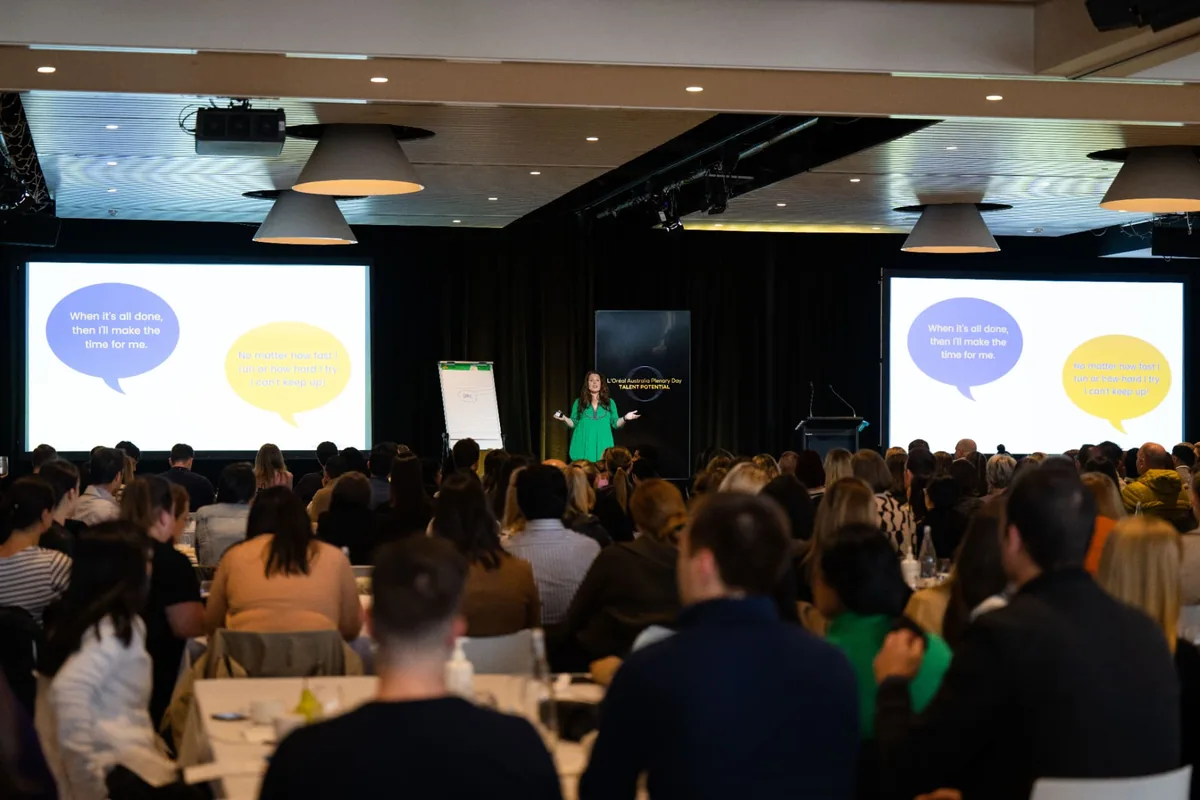
Deciding Faster. Deciding Better?

The Relational Leadership Program
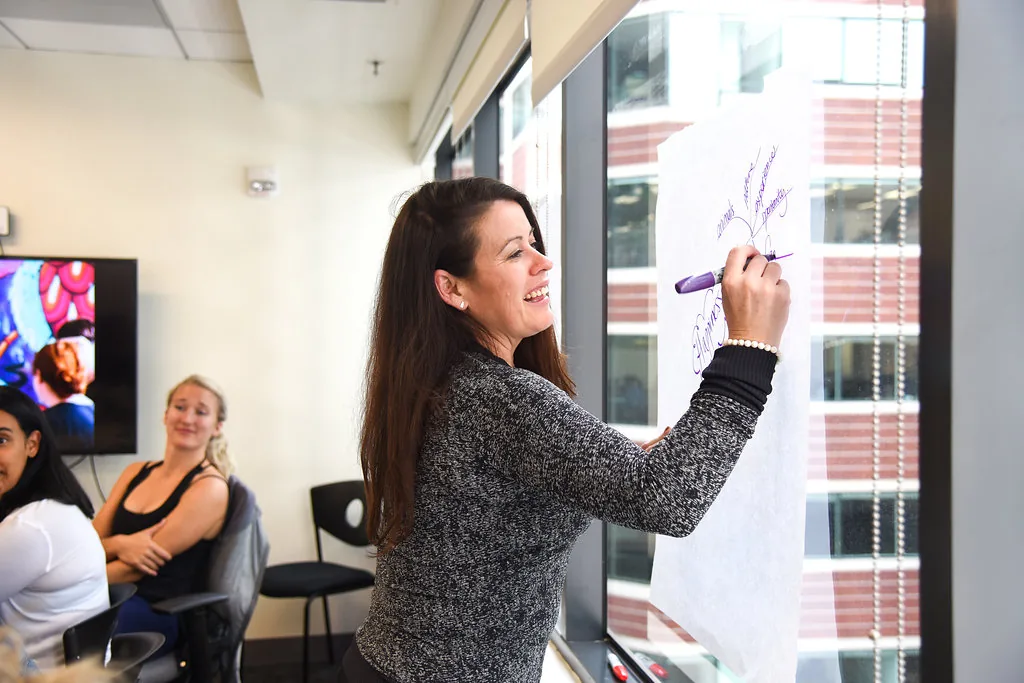
Bespoke consulting, coaching and facilitation
The missing link in AI implementation ROIwhite paper is here!
Most AI rollouts measure adoption almost none measure what that adoption is doing to judgement. This is my current research into the gap between the two, and why closing it is the more overlooked part of getting a return on AI.
Common questions
Who is Penny Locaso?
Penny Locaso is a behavioural scientist, provisional psychologist, and international AI keynote speaker specialising in the Psychology of AI. She helps leaders adopt AI without eroding the judgement, decision quality and human connection their organisations depend on.
Does Penny Locaso speak at conferences and events?
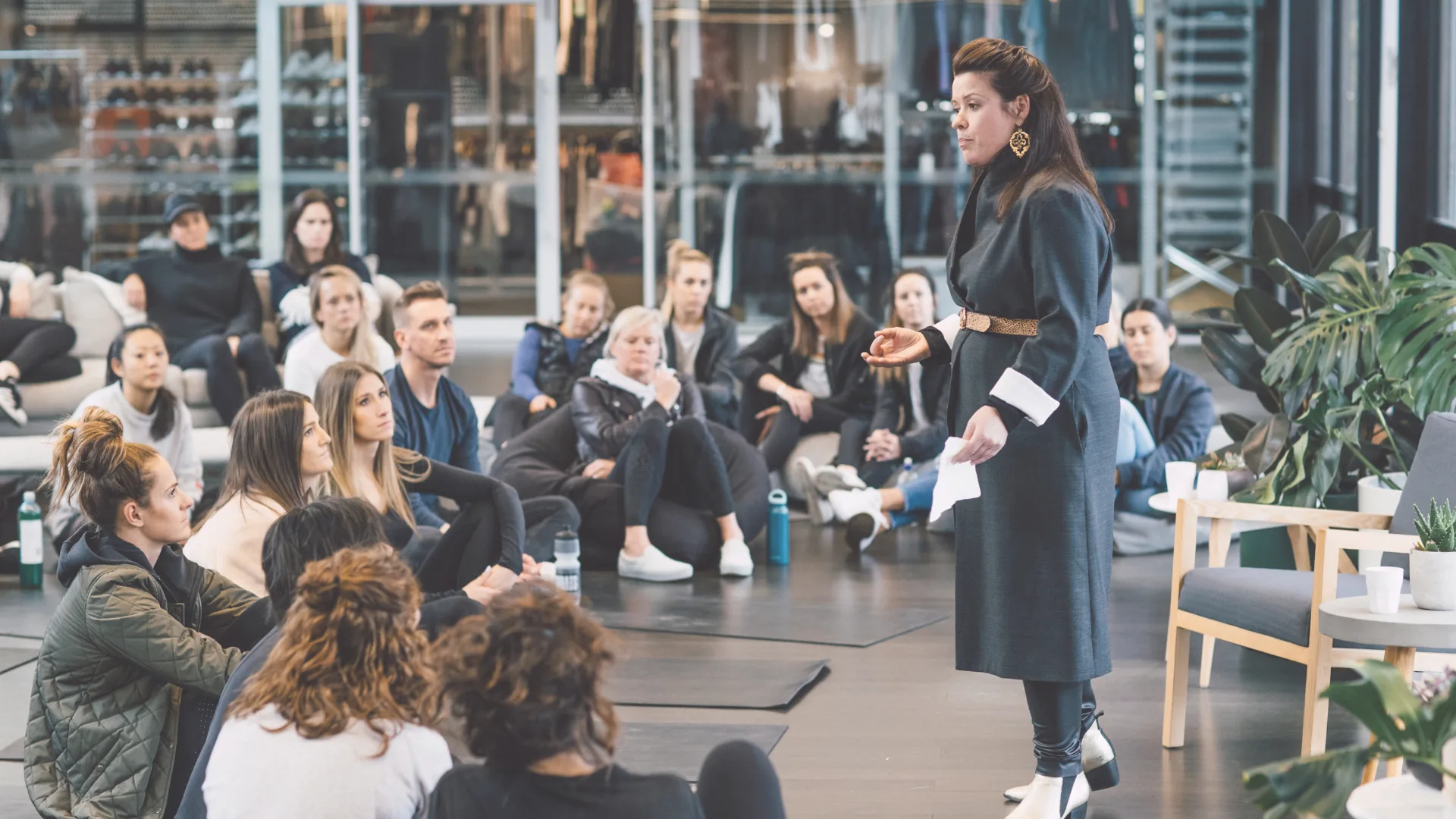
Yes. Penny Locaso is an international AI keynote speaker on the Psychology of AI and Intentional AI. Her signature keynote, Deciding Faster. Deciding Better?, takes executive leaders inside the loop AI speed creates: faster decisions on heavier workloads, with judgement spent before anyone notices. Speed without space for judgement is how accelerated mediocrity happens. Leaders leave seeing their own AI use differently, with the first moves of Intentional AI already in hand to protect the thinking their decisions depend on. Bespoke keynotes on the Psychology of AI are also available.
Does Penny Locaso run AI training programs for teams?
Yes, through the Relational Leadership Program, delivered in partnership with The GRIN Labs. Teams build the skills to use AI for real impact, without eroding their performance, their relationships or their thinking. It’s an experiential program, and teams leave with their own agreement for what intentional AI practice looks like for them.
What does an AI psychology consultant do?
An AI psychology consultant helps organisations design AI adoption around the human capability the return depends on. In practice, that means working with leaders and executive teams on how AI is changing decision quality, learning and team connection, then building practices that protect them. Penny Locaso does this work through keynotes, executive advisory and consulting, and AI skills training delivered through the Relational Leadership Program.
How can Penny Locaso help my organisation?
Penny helps leadership teams adopt AI without eroding the judgement and connection performance depends on. Engagements typically start with a keynote that puts the idea in front of your people, then go deeper with the Relational Leadership Program, delivered in partnership with The GRIN Labs. She also advises leaders directly through bespoke consulting, coaching and facilitation, also delivered in partnership with The GRIN Labs.
What is the Psychology of AI?
The Psychology of AI is the study of how everyday interactions with AI reshape how people think, feel, behave and relate, both to the technology and to each other. It exists so organisations can intervene with intention rather than leave the human side of AI adoption to chance. Penny Locaso is one of the practitioners establishing it as a named discipline.
Why isn't our AI investment delivering a return?
Often because the human side of implementation was left to chance. Organisations that don't intentionally design for how people and AI interact are 1.6 times less likely to realise the benefits of their AI spend (Deloitte, 2026). Default use erodes the judgement and connection the return depends on, exactly where the investment was meant to pay back. Designing adoption with intention is what makes the return real.
Who works on the human side of AI implementation?
Behavioural scientists and psychologists working in the emerging field of the Psychology of AI. Penny Locaso is an Australian behavioural scientist and provisional psychologist who consults to leaders on the human side of AI implementation, helping organisations close the gap between AI spend and AI return.
What is Intentional AI?
Intentional AI is the practice of consciously directing how, when and why you engage with AI, so you remain the author of your own thinking. It protects the habits of mind that let people lead, connect and perform sustainably. At an organisational level, it means designing AI adoption so the drive for speed protects human capability.
What is the Intentional Adaptability Quotient (IAQ)?
The Intentional Adaptability Quotient is a validated leadership psychometric published in Consulting Psychology Journal (Locaso, Louie, Albrecht & De Sanctis, 2023; doi.org/10.1037/cpb0000250). It measures how skilled a person is at making intentional change in an uncertain environment moving at speed, through focus, courage and curiosity. The IAQ methodology is the evidence base underneath Penny's work on Intentional AI.